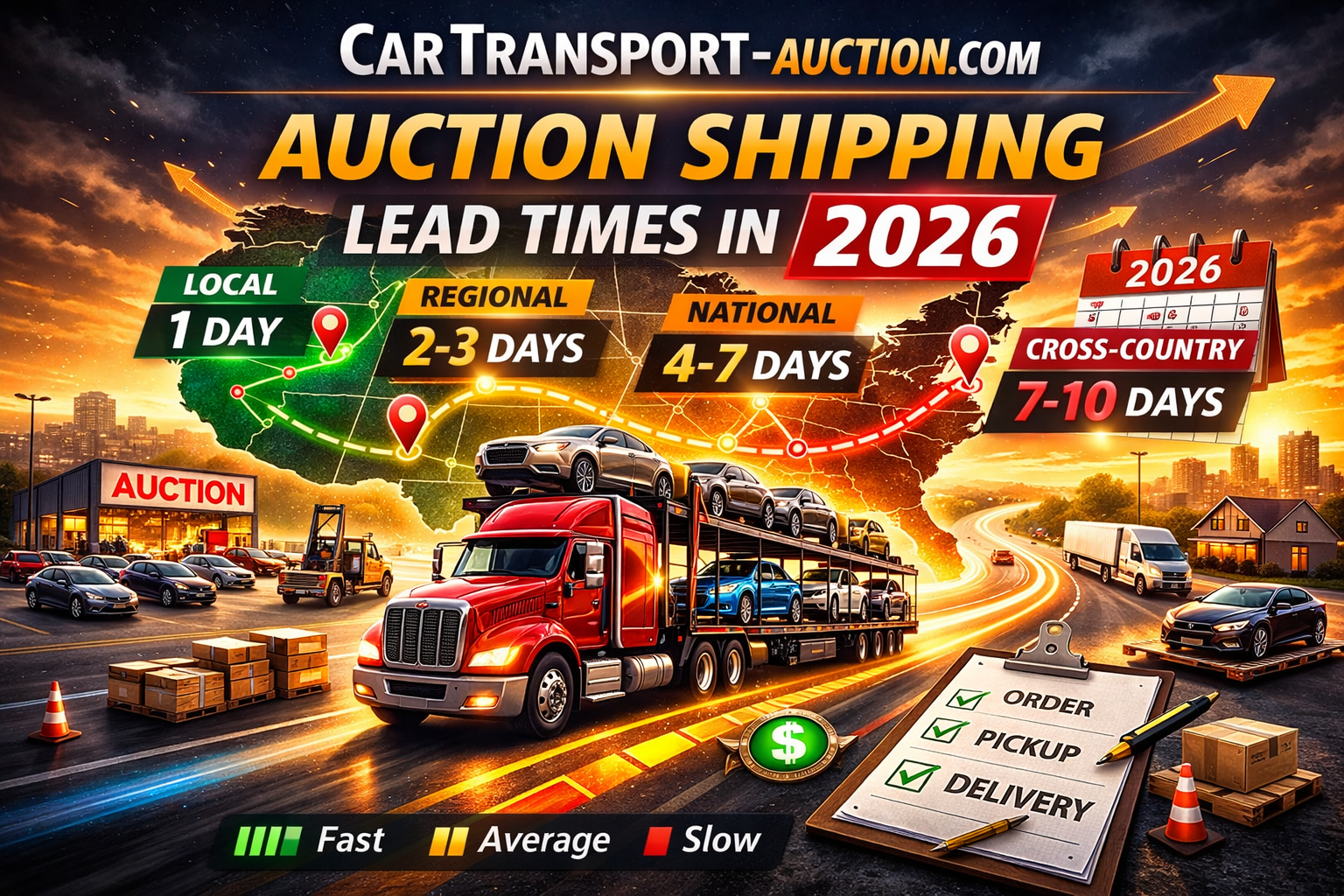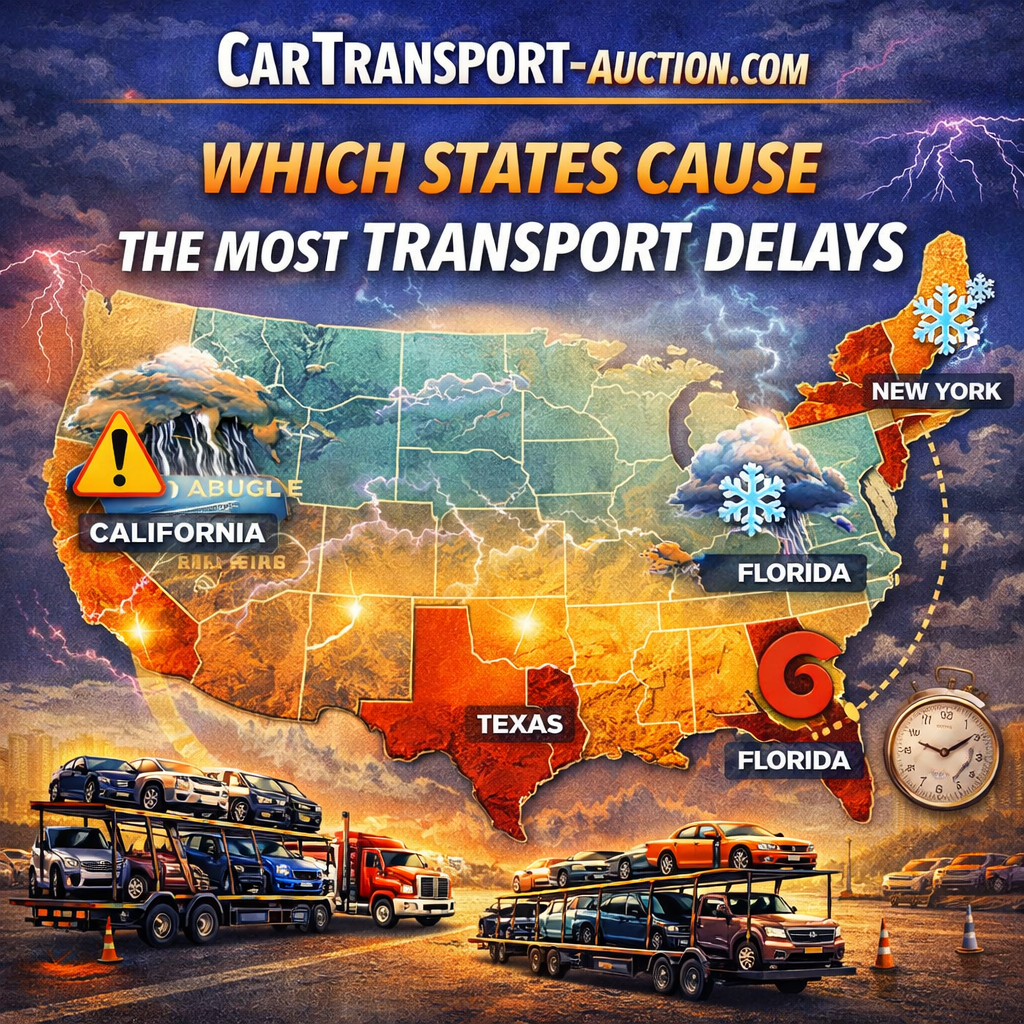

The auction vehicle transport market in early 2026 is showing clear signs of change. After a relatively stable period, demand is starting to shift again, affecting pricing, carrier availability, and delivery timelines.
For auction buyers and small dealers, understanding these trends is critical to making better logistics decisions.
Current Demand Overview
At the beginning of 2026, transport demand is moderately increasing.
Key observations:
- More auction purchases compared to late 2025
- Higher activity from small dealers
- Increased cross-state vehicle movement
This leads to a gradual tightening of available carrier capacity.
Carrier Capacity And Availability
Carrier availability remains one of the biggest variables in the market.
In early 2026:
- Capacity is still stable but tightening
- Fewer idle carriers in major regions
- Higher competition for popular routes
This means:
- Faster bookings require higher rates
- Low-priced orders take longer to assign
The balance between supply and demand is shifting.
Pricing Trends Across Regions
Pricing is not increasing uniformly – it depends heavily on location.
Current patterns:
- Major hubs remain competitive
- Remote auction locations are getting more expensive
- Long-distance routes show price volatility
Fuel costs and regional demand are the main drivers behind this.
Impact Of Seasonal Factors
Seasonality always plays a role in transport demand.
Early 2026 factors include:
- Post-holiday inventory movement
- Tax season vehicle purchases
- Dealers restocking inventory
These create short-term spikes in demand.
Auction Volume Growth
Auction platforms are seeing increased activity.
Reasons include:
- More repossessions entering the market
- Dealers adjusting inventory strategies
- Continued demand for used vehicles
Higher auction volume directly increases transport demand.
Delays And Lead Time Changes
As demand increases, timelines begin to shift.
Observed changes:
- Slightly longer dispatch times
- Pickup delays in high-volume locations
- More variability in delivery windows
These are early indicators of a tightening market.
What Buyers Should Expect
For auction buyers, the environment is becoming less predictable.
Key expectations:
- Prices may rise gradually
- Waiting times may increase
- Flexibility becomes more important
Buyers who adapt faster will have an advantage.
How Dealers Can Adapt
Small dealers especially need to adjust their approach.
Recommended strategies:
- Plan transport earlier
- Accept realistic pricing
- Focus on efficient routes
- Avoid last-minute bookings
Transport is becoming more competitive, not less.
Outlook For The Coming Months
If current trends continue:
- Demand will keep increasing
- Carrier capacity may tighten further
- Pricing pressure will grow
The market is not overheated yet, but it is moving in that direction.
Final Thoughts
Auction transport demand in early 2026 is entering a more active phase.
While conditions are still manageable, the shift toward higher demand and tighter capacity is already visible.
Understanding these trends helps buyers and dealers stay ahead, control costs, and reduce delays in an evolving market.