Car carriers operating in the United States must comply not only with federal regulations but also with specific state-level licensing rules.
For auction buyers and small dealers, these rules may not always be visible, but they directly affect shipping availability, pricing, and delivery timelines.
Understanding how licensing works helps avoid delays and ensures you are working with compliant carriers.
Federal Vs State Licensing Requirements
All car carriers must meet federal requirements before operating.
These include:
- USDOT registration
- FMCSA authority
- Active cargo insurance
- Interstate operating authority
However, federal compliance is only the baseline.
States can impose additional requirements, especially for local operations.
When State Licensing Applies
State licensing becomes relevant in specific situations.
Examples:
- Transport within a single state
- Deliveries in regulated urban areas
- States with stricter compliance enforcement
Even if your shipment is interstate, parts of the route may still fall under state rules.
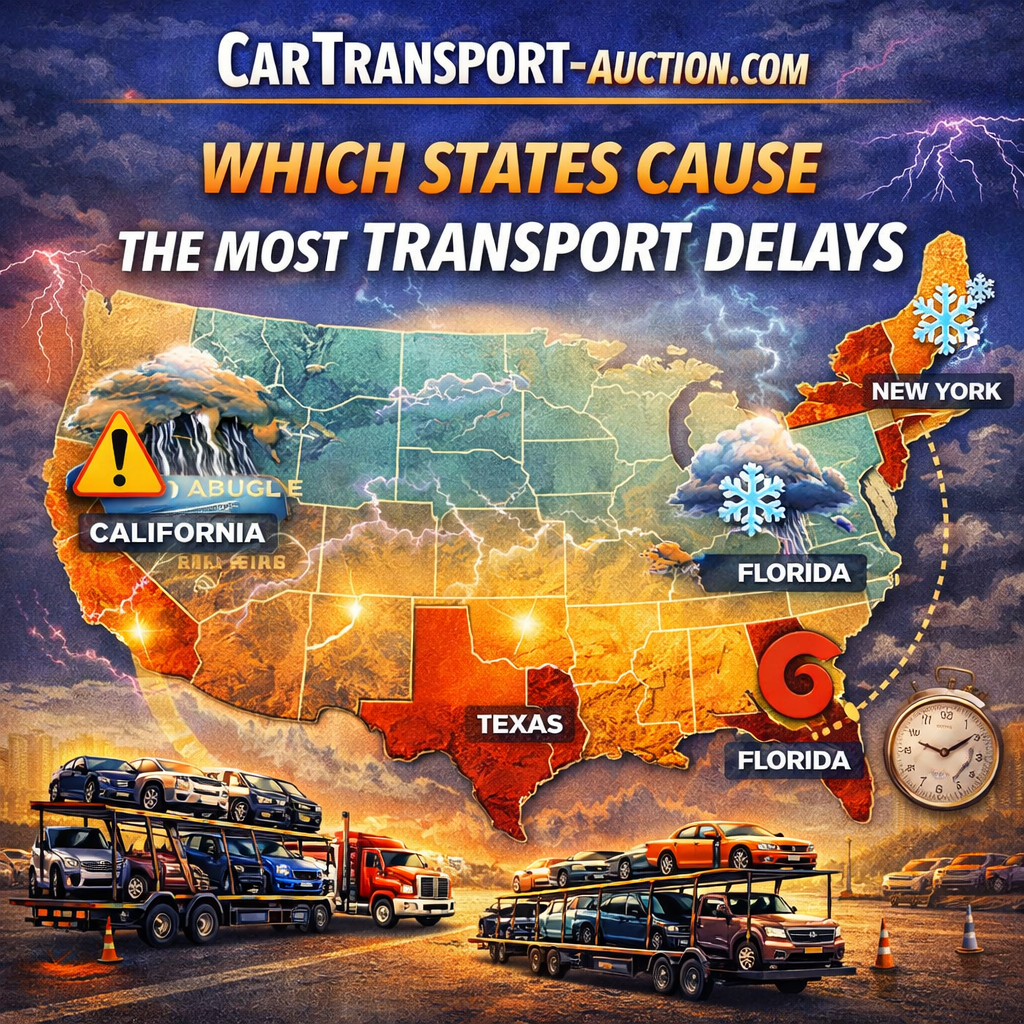
States With Stricter Carrier Regulations
Some states are known for tighter control over transport operations.
Common examples:
- California – strict enforcement and environmental rules
- New York – urban delivery and access restrictions
- New Jersey – high inspection frequency
- Massachusetts – local compliance requirements
Carriers operating in these areas must meet higher standards.
Intrastate Vs Interstate Transport
There is a key difference between two types of transport.
Interstate transport
- Crosses state lines
- Regulated at the federal level
Intrastate transport
- Happens within one state
- May require additional state permits
Some carriers avoid intrastate loads due to extra complexity.
Permits And Operational Restrictions
Depending on the state, carriers may need:
- Special operating permits
- Weight compliance documentation
- Route restrictions for large trucks
Certain areas may limit:
- Truck size
- Delivery hours
- Access to residential zones
These restrictions can impact both cost and delivery speed.
Insurance Requirements By State
While federal law requires cargo insurance, states may influence:
- Minimum coverage expectations
- Enforcement of liability rules
- Claim handling procedures
In stricter states, carriers often operate with higher coverage limits.
Compliance Checks And Inspections
Carriers are subject to inspections during operations.
These may include:
- Roadside inspections
- Documentation checks
- Safety compliance verification
In high-regulation states, inspections are more frequent.
This can lead to:
- Delays in transit
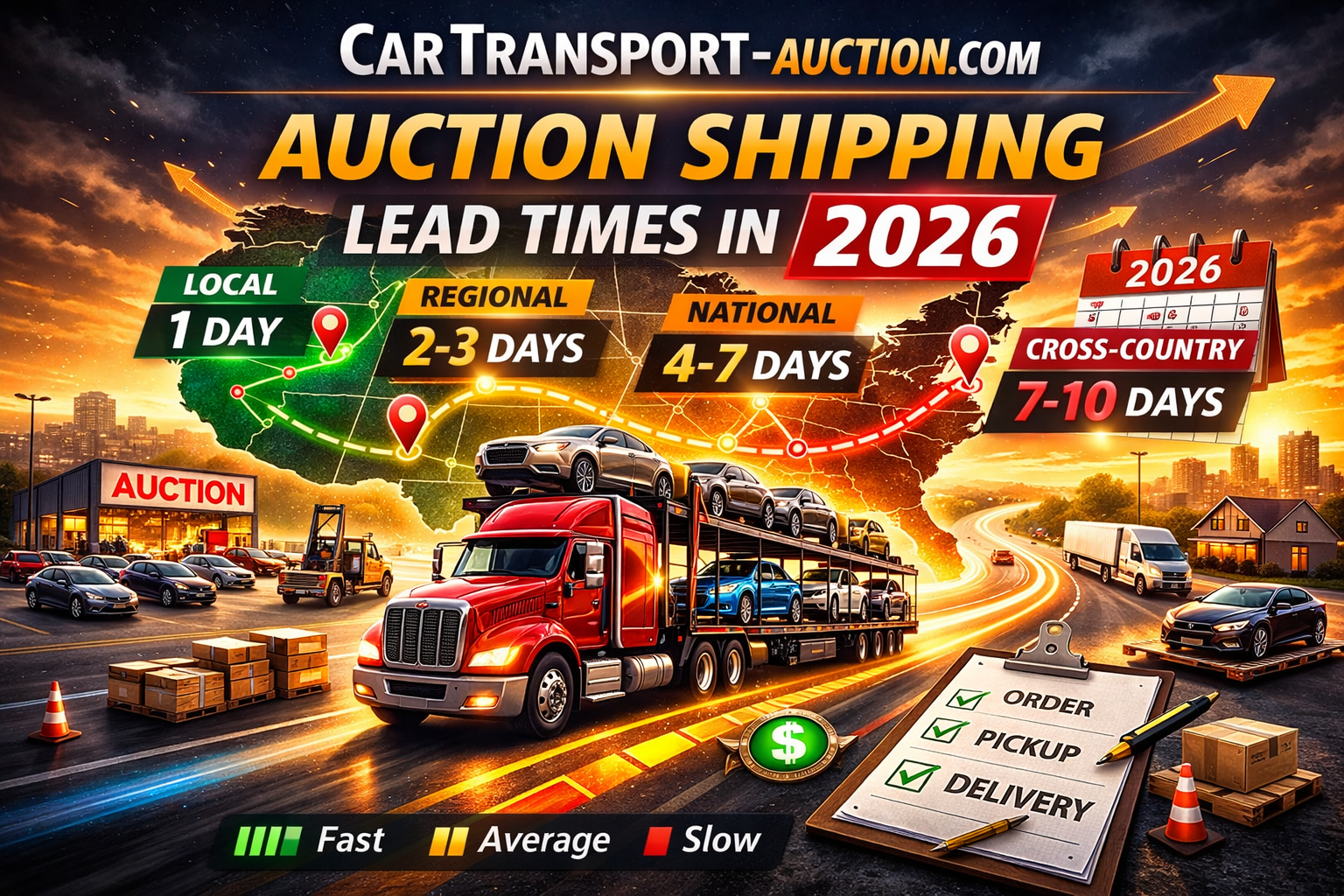
- Longer delivery timelines
How Licensing Affects Shipping Availability
Regulations influence which carriers accept your load.
If a route includes stricter states:
- Fewer carriers may be available
- Pricing may increase
- Dispatch may take longer
This is especially noticeable in complex or urban routes.
How Buyers Can Reduce Risks
Even though buyers do not manage licensing directly, they can reduce risks.
Best practices:
- Work with verified carriers or brokers
- Avoid unusually low transport rates
- Confirm carrier compliance when possible
- Plan for possible delays in regulated states
Choosing reliable partners makes a big difference.
Final Thoughts
State licensing rules are a hidden but important factor in auction vehicle transport.
While most of the process is handled by carriers and brokers, these regulations influence:
availability, pricing, and delivery timelines
Understanding how state licensing works helps buyers and dealers make more informed decisions and avoid unexpected complications during transport.