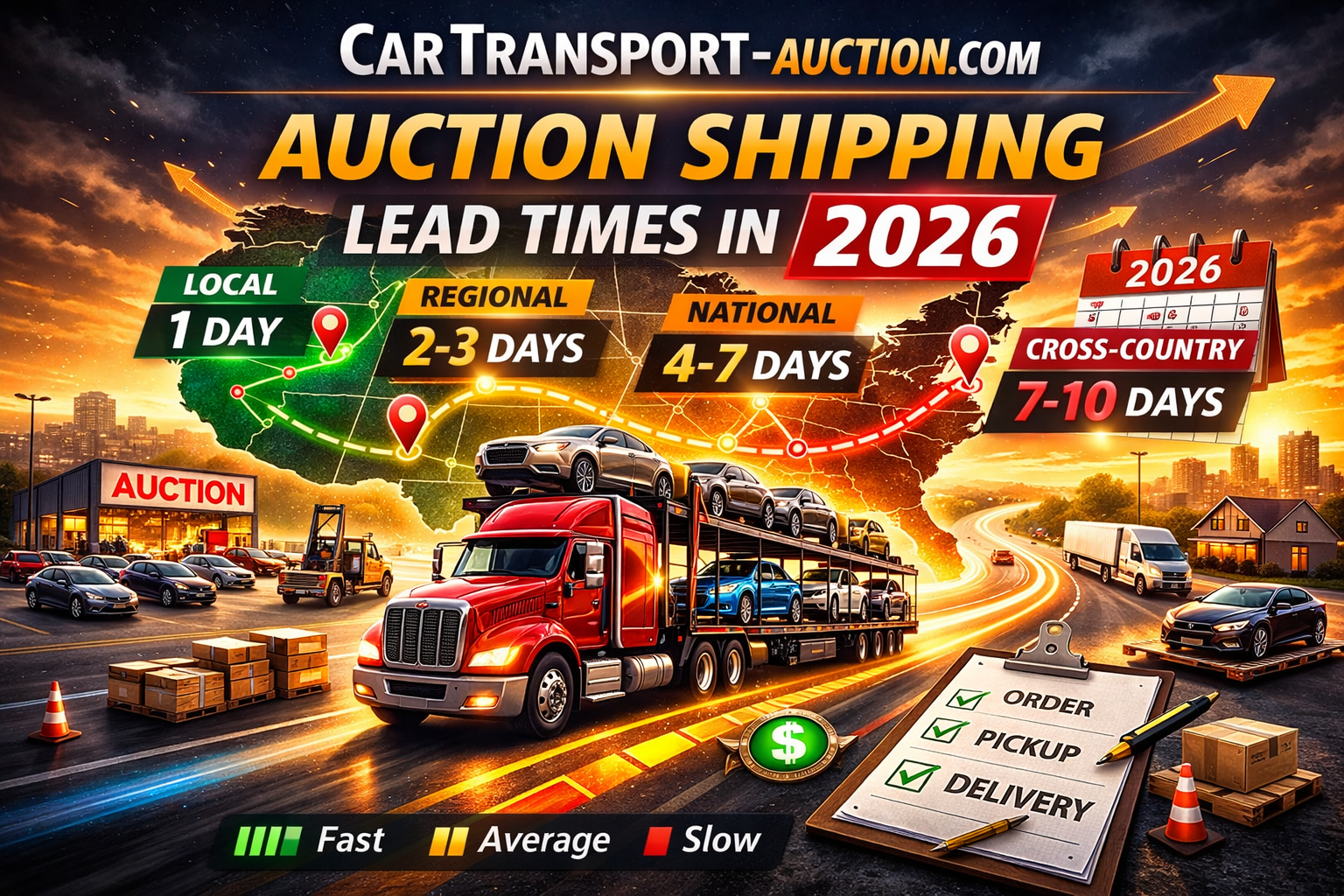
When estimating how long it will take to receive a vehicle from auction, many buyers focus only on distance.
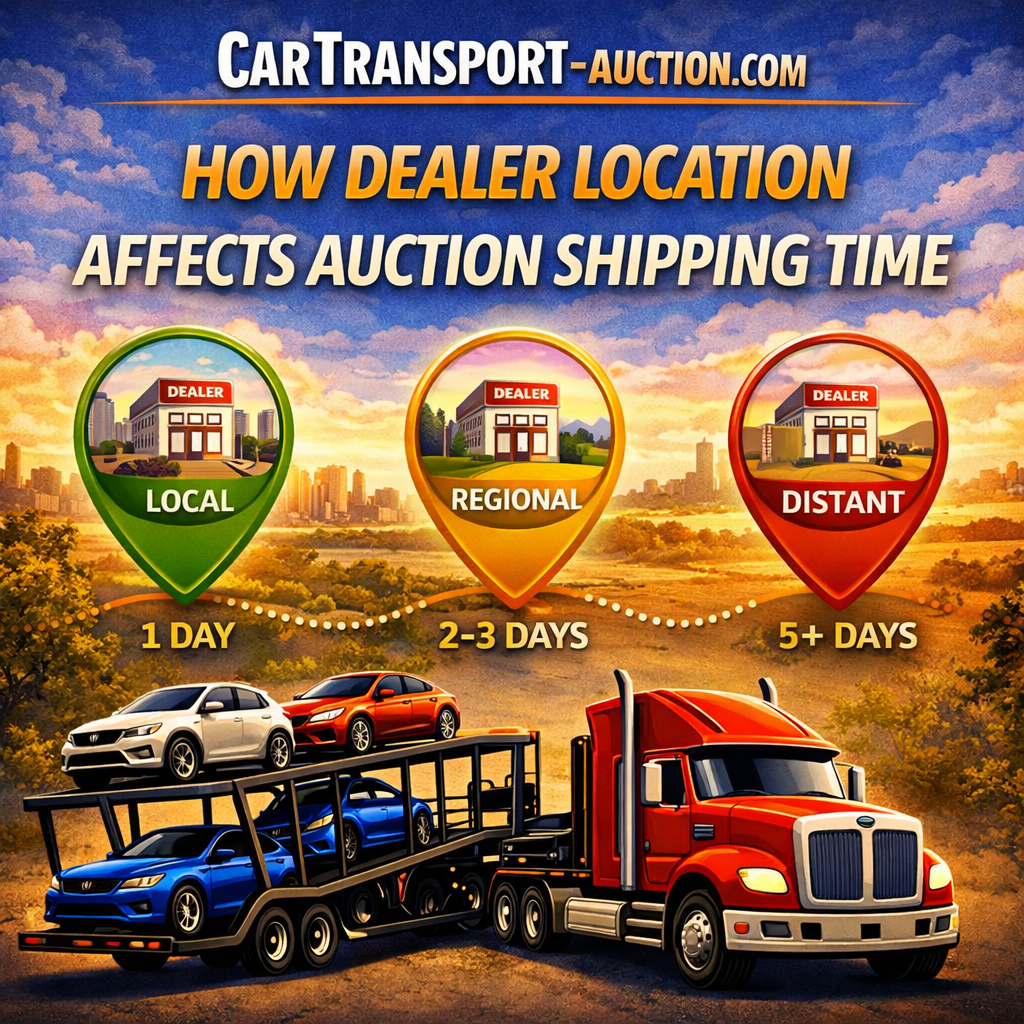
In reality, dealer location plays a major role in shipping time. Even two deliveries with the same distance can have very different timelines depending on where the vehicle is going.
Understanding this helps set realistic expectations and avoid unnecessary delays.
Distance Vs Location Complexity
Distance is important, but it is not the only factor.
Two key differences:
- Distance – how far the vehicle needs to travel
- Location – how easy it is for a carrier to reach you
A short distance to a remote area can take longer than a longer route between major cities.
Urban Vs Rural Delivery
Dealer location can be divided into two main types.
Urban locations
- High carrier traffic
- Easier route access
- Faster delivery
Rural locations
- Limited carrier availability
- Longer route adjustments
- Slower delivery times
Carriers prefer locations that fit into their existing routes.
Route Density And Carrier Flow
Some areas are part of high-volume transport corridors.
These include:
- Major cities
- Dealer hubs
- Auction-heavy regions
In these areas:
- Vehicles move faster
- More carriers are available
- Dispatch is quicker
Low-density routes require more planning and time.
Last Mile Delivery Challenges
The final part of delivery often causes delays.
Common issues:
- Narrow roads
- Restricted truck access
- Residential delivery limitations
In these cases:
- Delivery may be moved to a nearby location
- Additional coordination is required
This adds time to the overall process.
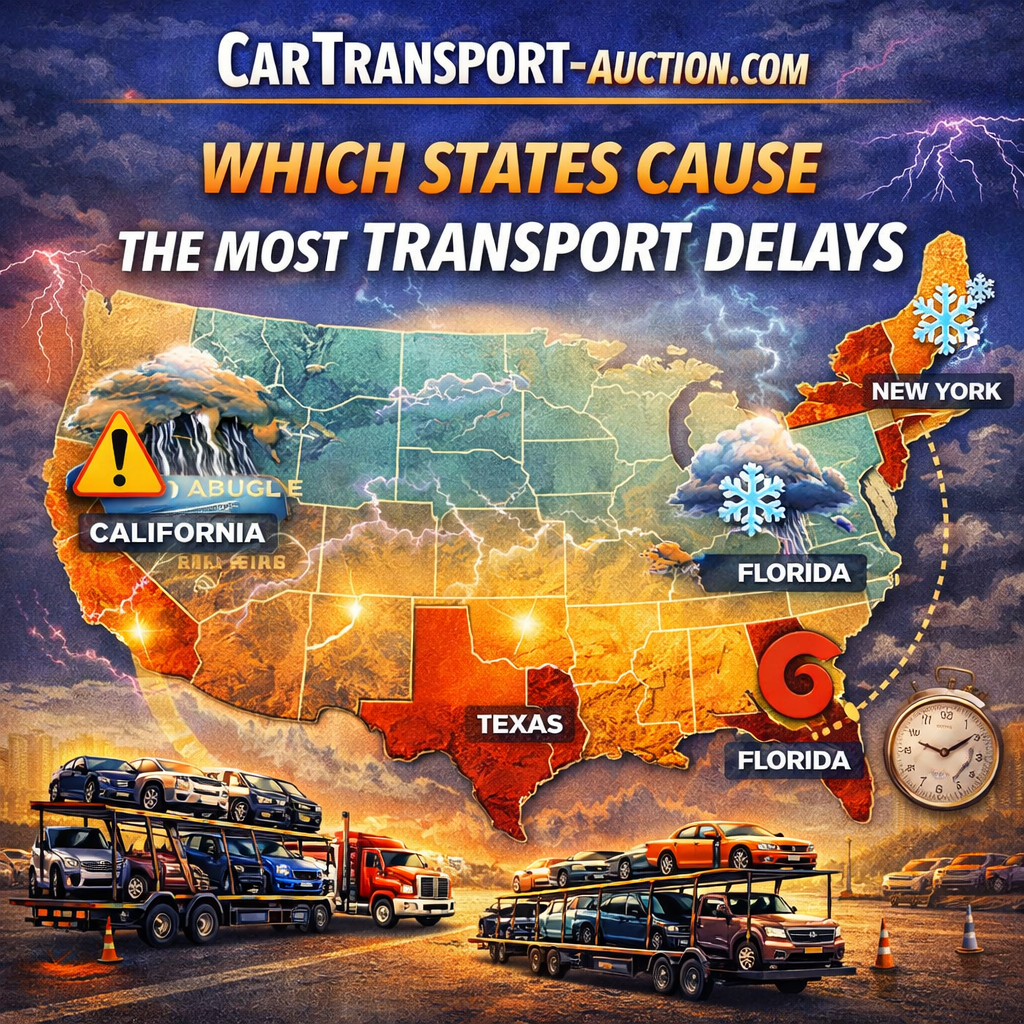
Regional Differences In The US
Different regions have different logistics characteristics.
Examples:
- Midwest – efficient routes and faster delivery
- West Coast – longer distances and congestion
- Northeast – dense traffic and access restrictions
- Southern states – variable carrier availability
These patterns influence delivery timelines.
How Location Affects Dispatch Speed
Dealer location does not only affect delivery, it also impacts dispatch.
If your location is:
- Easy to reach → faster carrier acceptance
- Hard to reach → longer dispatch time
Carriers evaluate both pickup and delivery points before accepting a load.
Interaction With Market Conditions
Location becomes even more important when combined with market demand.
For example:
- High demand + remote location → longer delays
- Low demand + major route → faster delivery
Timing and location work together.
How To Reduce Location-Based Delays
You cannot change your location, but you can adapt your strategy.
Best practices:
- Be flexible with delivery options
- Accept nearby drop-off points if needed
- Use realistic pricing for remote areas
- Plan ahead for less popular routes
Small adjustments can significantly improve timing.
How Location Fits Into The Full Shipping Process
Dealer location is one of several factors that shape shipping timelines.
It works together with:
- Dispatch pricing
- Carrier availability
- Auction release timing
To fully understand how these elements connect, it helps to look at how auction vehicle shipping works from purchase to delivery.
Final Thoughts
Dealer location has a direct impact on how fast your vehicle moves after an auction purchase.
It is not just about distance, but about accessibility, route density, and carrier efficiency.
Understanding this allows buyers and dealers to better plan logistics, reduce delays, and make smarter decisions when arranging transport.